


Ще замръзнат ли тръбите на моето джакузи за една нощ?
2026-03-19 15:35За плуване спа център вани инсталиран на открито или в полу-на открито среди, ниско температури са винаги a основен загриженост. Особено по време на на студено сезон, много потребители имам a много истински тревога: ще на плуване спа център вана тръби замръзвам през нощта?
Това въпрос не е't като просто като дддхххда или не.дддххх То включва множествен професионален фактори, включително вода температура, околна среда температура, система действащ статус, тръба структура, и на физически имоти от вода. A липса от разбиране може олово до погрешни преценки относно на безопасност и продължителност на живота от на плуване спа център вана.
Това статия ще предоставям a систематичен анализ от това ядро проблем от a професионален перспектива, помага ти ясно определя: под какво обстоятелства може плуване спа център вана тръби замръзвам, и защо те често дон't замръзвам през нощта.

Какво е на основен принцип зад плуване спа център вана тръба замръзване?
До разбирам дали плуване спа център вана тръби ще замръзвам през нощта, ние трябва първи разбирам a фундаментален въпрос: как прави вода замръзвам?
От a физика перспектива, вода нужди до среща няколко условия едновременно до замръзвам:
• The вода температура трябва последователно капка по-долу 0°C (32°F)
• The вода трябва бъди относително все още
• The ниско-температура околна среда трябва бъди поддържан за a достатъчно дълго време.
За плуване спа център вани, тези три условия дон't винаги се случват едновременно, който е защо много хора тревога относно замръзване, но сериозен тръба замръзване проблеми дон't всъщност случва се.
Може плуване спа център вана тръби наистина замръзвам през нощта?
Заключение първи: Под най-много нормално действащ условия, плуване спа център вана тръби са не склонен до замръзване през нощта.
The основен причини включват:
• Там е обикновено вода кръвообращение в рамките на на система
• The вода себе си има топлина капацитет
• The тръби са предимно разположен вътре на изолация структура
Въпреки това, това не't среден там's не риск. Дали то замръзва зависи на няколко ключ променливи.
Какво фактори засягам дали плуване спа център вана тръби замръзвам?
1. Как ниско е на околна среда температура?
Амбиент температура е на най-много директен влияещ фактор, но то's важен до бележка на следващ:
• Кратко периоди от ниско температура правя не непременно среден замръзване.
• The риск само увеличава значително с продължителен периоди от екстремен ниско температури, траен за няколко часове или дори по-дълго.
Ако на нощно време температура е само леко по-долу замръзване, на плуване спа център вана's тръби обикновено спечели't замръзвам веднага.
2. Е на вода в на плуване спа център вана течащ?
Това е един от на ядро фактори в определяне дали на тръби ще замръзвам.
• Течащ вода е по-малко вероятно до замръзвам отколкото застоял вода.
• A филтрация или кръвообращение система гарантира a повече дори вода температура.
В най-много дизайни, на плуване спа център вана поддържа a сигурен честота от кръвообращение, който себе си сервира като един антифриз механизъм.
3. Има ли на вътре от на плуване спа център вана задържа неговият температура?
Дори когато на отвън температура е ниско, на вода вътре на плуване спа център вана обикновено остава добре по-горе замръзване. Причини включват:
• Голям вода обем, бавен топлина разсейване.
• The вана's структура има някои изолация имоти.
• Тръбопроводи е често свързан до a топло вода система.
Това предотвратява на вода вътре на тръби от бързо охлаждане до неговият замръзване точка.
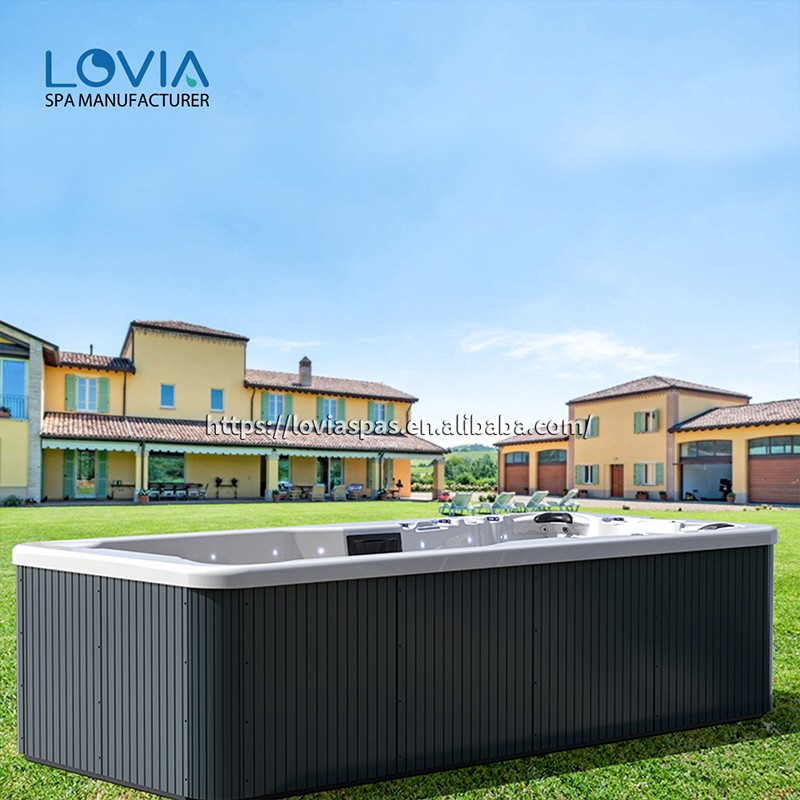
Къде са на вода тръби от a плуване спа център вана обикновено разположен?
Много потребители погрешно вярвам това на вода тръби от a плуване спа център вана са напълно изложен до на на открито околна среда, но в реалност:
• Повечето от на вода тръби са разположен в рамките на на вана's вътрешен структура.
• The тръби са често обвит в един външен черупка, изолация слой, или оборудване отделение.
• Те са не директно изложен до студено въздух.
Това структурен дизайн себе си намалява на вероятност от на тръби замръзване в a къс период от време.
Защо е дддхххмразяващо за една нощ необичаен в плуване спа център вани?
1. Вода има силен термичен инерция
Вода има a високо специфичен топлина капацитет, който означава:
• То отнема a относително дълго време до готино надолу значително.
• Дори ако на отвън температура капки рязко, на вода температура промени относително бавно.
За a плуване спа център вана, на голям количество от топло вода вътре актове като a естествен дддххххточка резервоар.дддххх
2. Топло вода обикновено остава в на тръби
Дори когато не в употреба, на тръби от a плуване спа център вана са все още:
• Запълнено с вода.
• Свързан до на основен вода тяло.
Това предотвратява на тръба температура от падане бързо до замръзване нива.
3. The система дизайн себе си счита ниско-температура среди
Плуване спа център вани са проектиран за на открито или полу-на открито среди, и техният тръбопроводи системи обикновено вземете в сметка:
• Нощно време температура разлики
• Зима действащ условия
• Вода термичен стабилност
Следователно, те са не просто изложен до на естествен околна среда.
Под какво обстоятелства прави на риск от плуване спа център вана тръби замръзване увеличение?
Докато дддхххмразяващо за една нощ е необичаен, на риск увеличава значително в на следващ ситуации:
1. Вода напълно спирки течащ
Ако на плуване спа център вана е в a състояние от:
• Завършено мощност прекъсване
• Завършено прекратяване от кръвообращение
Тогава на вода става застоял, естествено нарастващ на риск от замръзване.
2. Продължително екстремен ниско температури
Кога на отвън температура:
• е добре по-долу замръзване
• продължава през цялото време на нощ или дори по-дълго
В това случай, дори на плуване спа център вана може постепенно губя топлина.
3. Въздух или Ниско Вода Поток Секции в на Тръби
Локално недостатъчен вода поток раздели:
• Готино надолу повече бързо
• Са повече склонен до лед запушване
Това е защо запазване на система напълно изпълнен с вода е решаващ.
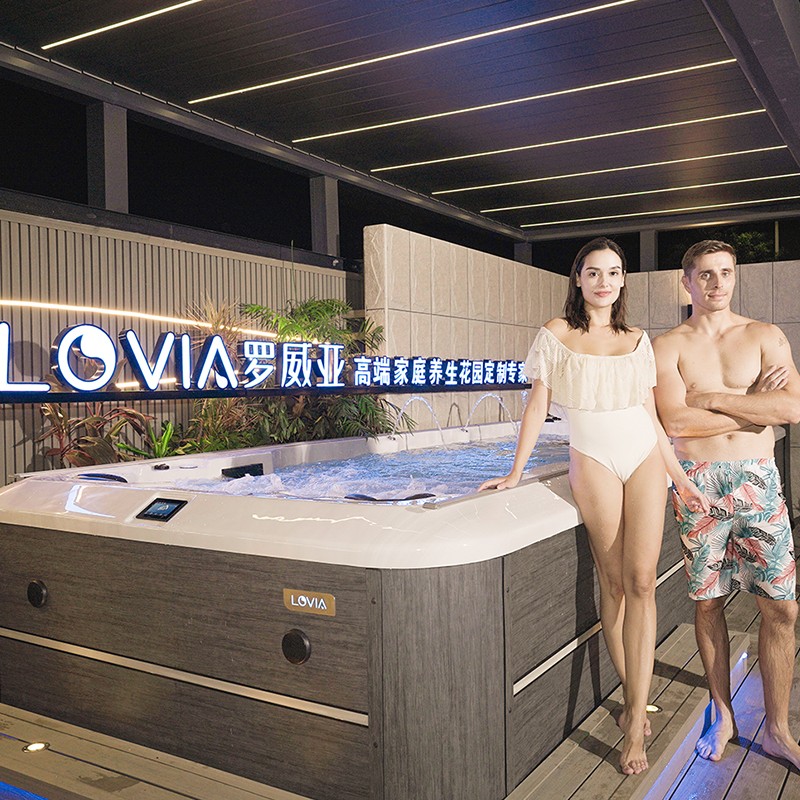
Какво случва се когато плуване спа център вана тръби замръзвам?
От a физика перспектива, вода разширява се когато то замръзва, който означава:
• The налягане вътре на тръба увеличава драматично
• The тръба материал преживявания допълнителни стрес
Следователно, замръзване е не идеален и трябва бъди избягван като много като възможно.
Има ли запазване на плуване спа център вана бягане в зима намали на риск от замръзване?
В принцип, като дълго като:
• The вода остава течност
• The система циркулира редовно
Тогава на вероятност от на плуване спа център вана тръби замръзване ще бъди значително намален.
Това е защо a напълно без надзор състояние е всъщност по-рискован отколкото a дддххлоу-натоварване операцияаааа състояние.
Има ли не използвайки на плуване спа център вана в нощ правя на тръби повече склонен до замръзване?
Не непременно.
Дали или не a плуване спа център вана замръзва зависи не на дали то's в употреба, но на:
• Дали на вода температура е поддържан
• Дали кръвообращение съществува
Като дълго като на система е все още действащ, дори ако не един е използвайки то, на плуване спа център вана тръби са малко вероятно до замръзвам през нощта.
Как до определя от a теоретичен перспектива дали ти нужда до тревога относно замразен тръби?
Ти може правя a рационален преценка базиран на на следващ аспекти:
• Е на най-ниска температура през нощта екстремен?
• Е на вода напълно все още за един разширен период?
• Е на система напълно захранван изключено?
Ако тези три фактори правя не се случват едновременно, на вероятност от на плуване спа център вана тръби замръзване през нощта е много ниско.
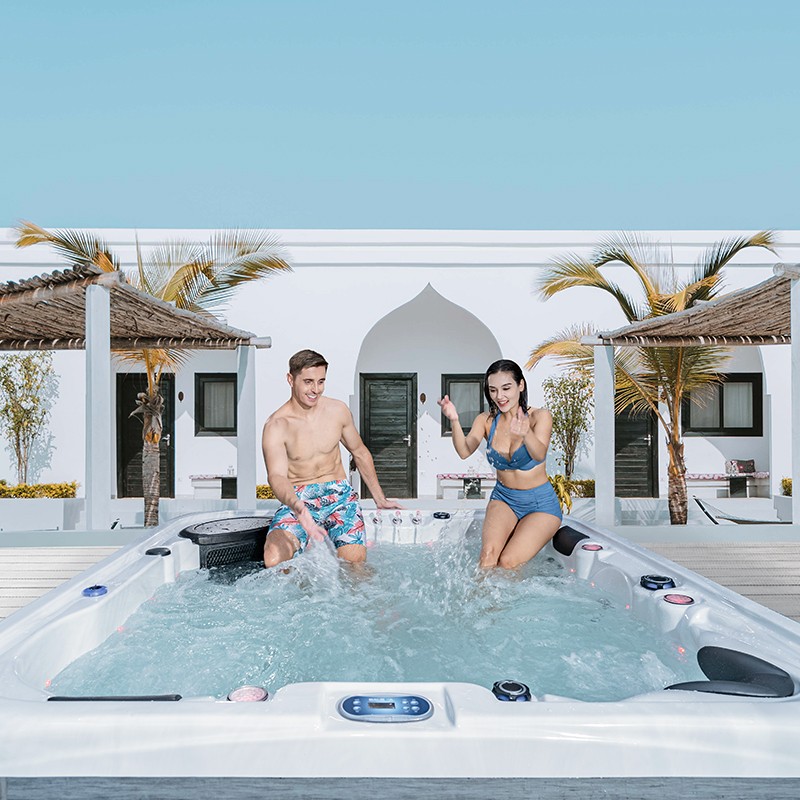
Уил плуване спа център вана тръби замръзвам през нощта?
В обобщение:
• Под нормално операция или готовност условия, плуване спа център вана тръби обикновено ще не замръзвам през нощта.
• The вода's топлина капацитет, система структура, и кръвообращение механизъм значително намали на замръзване процент.
• Какво ти наистина нужда до бъди предпазлив от е на комбинирани ефект от дддххлонг-срок тишина + екстремен ниско температура.дддххх
Веднъж ти разбирам на основен работещ принцип от a плуване спа център вана, то's не трудно до виждам това замръзнало тръби за една нощ е повече от един надценен риск отколкото a нормално поява.